

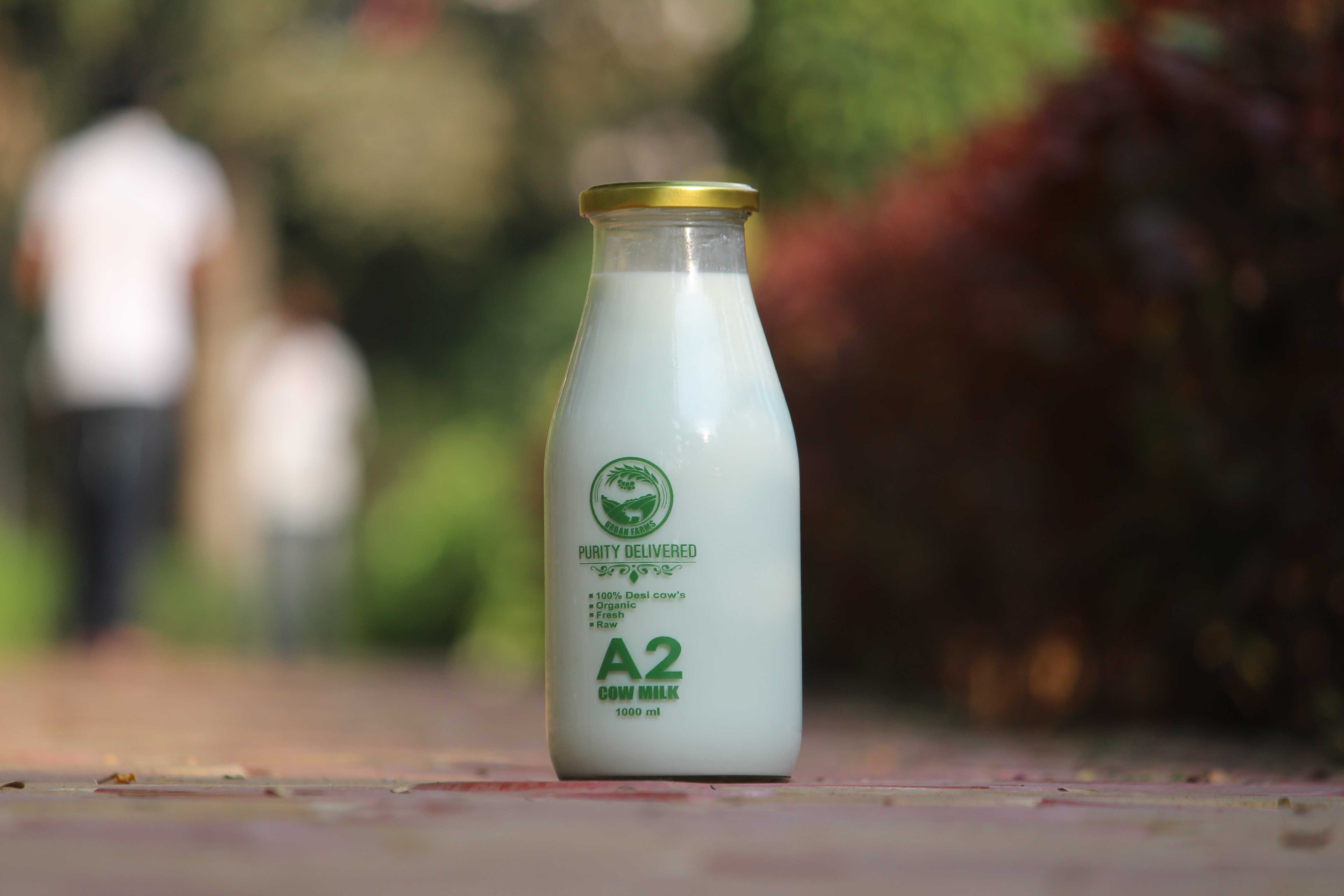
Walk into any supermarket today, and you will see aisles stacked with cartons labelled "A2 Milk." Simultaneously, you might see a delivery partner dropping off a glass bottle of fresh, raw milk at your neighbour's doorstep. Both claim to be healthy. Both claim to be A2. But are they the same?
For families switching to a healthier lifestyle, this is a common point of confusion. While the awareness about A2 cow milk has grown immensely, the difference between fresh A2 milk in Pune and the long-shelf-life versions in plastic packets or cartons is often overlooked.
At Urban Farms Pune, we believe you deserve to know exactly what goes into your glass. In this guide, we break down the real differences between farm-fresh pure desi cow milk and processed packaged milk, so you can make the right choice for your gut health and immunity.
What Is Pure Desi Cow Milk?
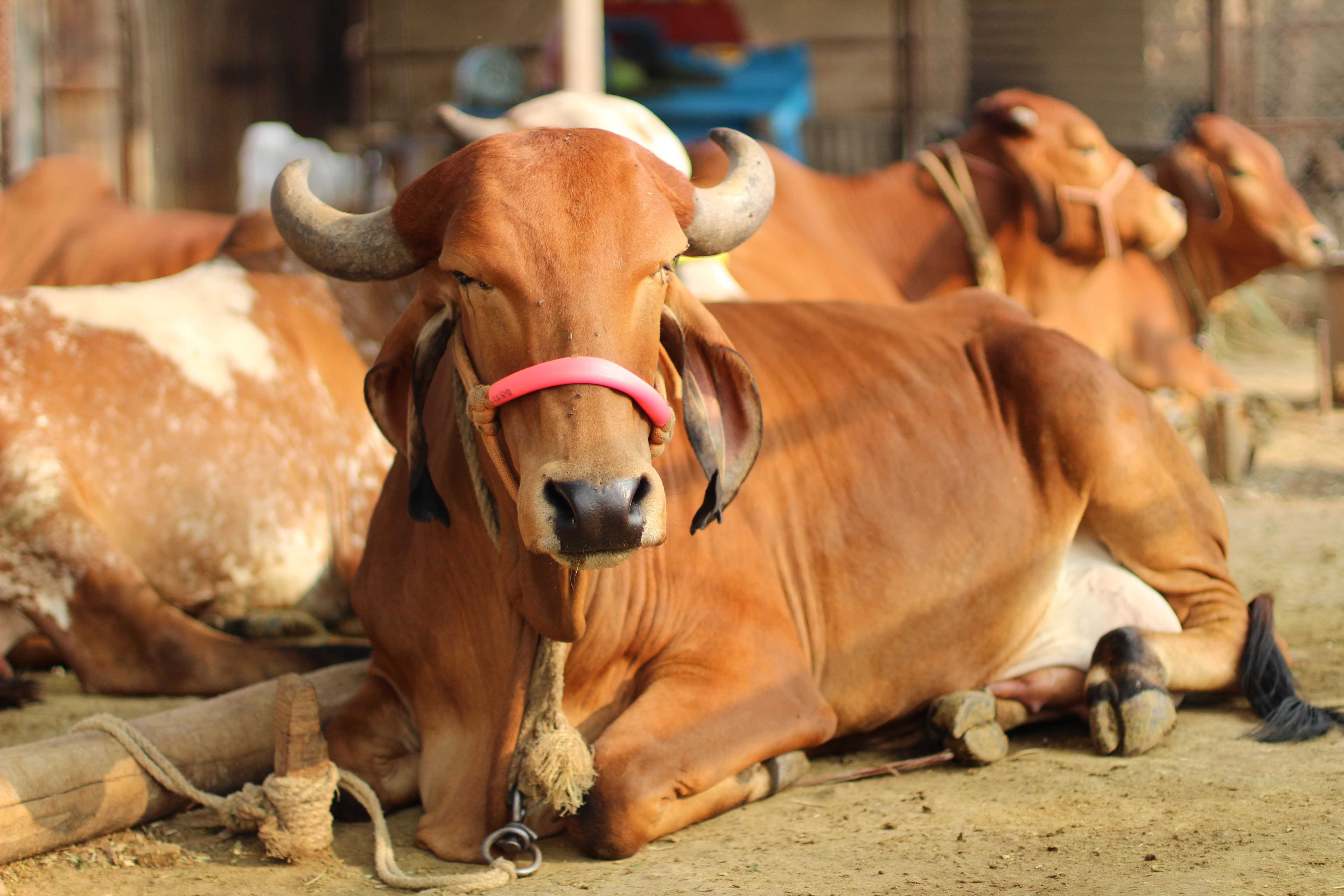
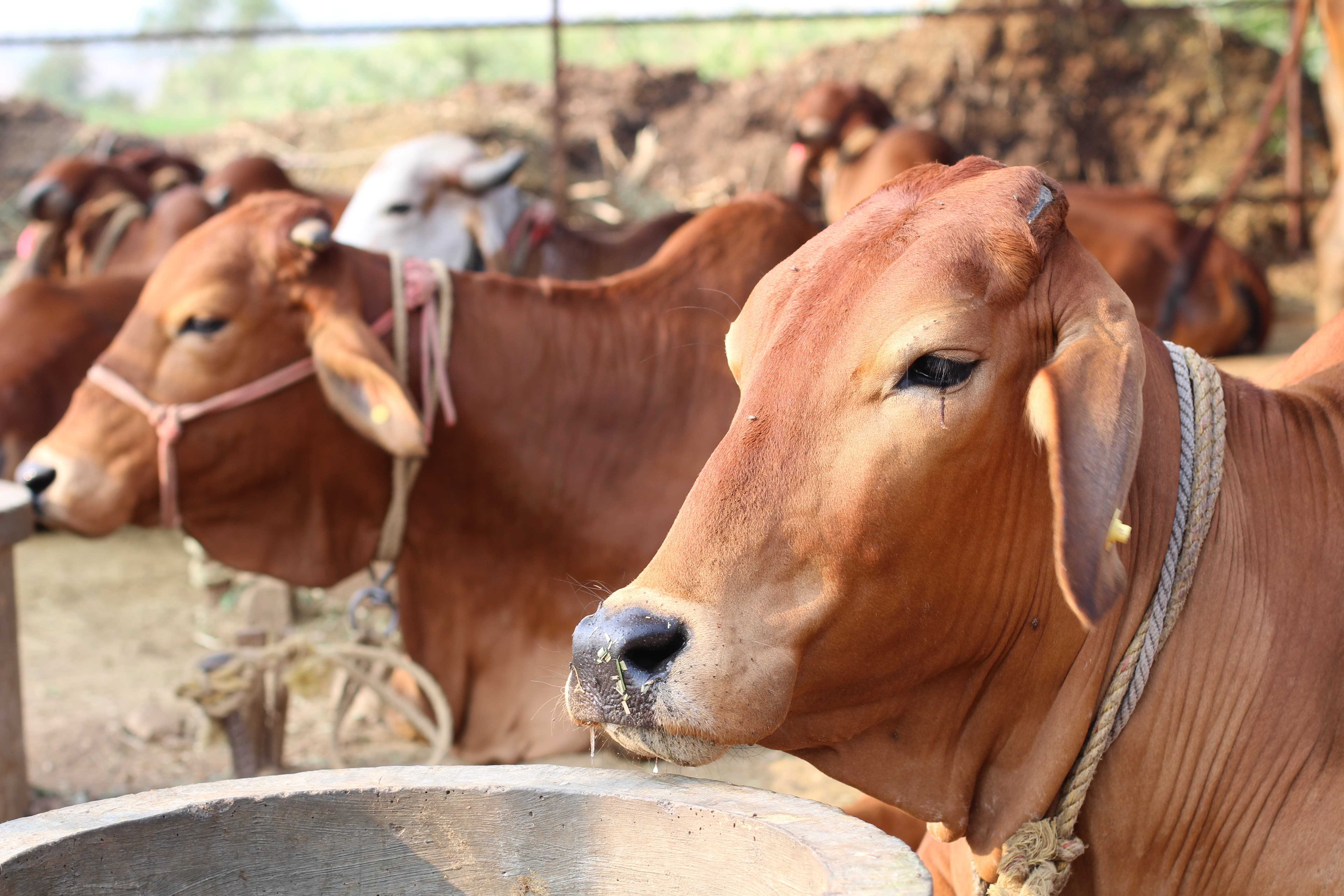
Pure desi cow milk refers to milk obtained directly from indigenous Indian cow breeds (Desi cows) such as the Gir, Sahiwal, or Red Sindhi.
Unlike foreign breeds (like Holstein Friesian) that produce A1 milk, which is often linked to bloating and indigestion, desi cows naturally produce milk containing the A2 beta-casein protein.
But "pure" goes beyond just the breed. When we talk about farm fresh A2 milk delivery, we mean milk that is:
- Unprocessed: It is not subjected to harsh industrial treatments.
- Whole: Nothing is removed (like natural fats), and nothing is added (like preservatives).
- Fresh: It usually reaches your kitchen within hours of milking.
For example, the A2 Gir cow milk sourced locally in Pune retains its natural sweetness and rich texture because it hasn't travelled hundreds of kilometres in a truck. It is the closest you can get to nature.
What Is Packaged A2 Milk?
Packaged A2 milk is also derived from desi cows. However, before it reaches the carton, it goes through significant industrial processing to ensure it can survive on a shelf for days or even months.
The two most common processes are:
- Pasteurisation: The milk is heated to high temperatures to kill bacteria. While this makes milk safe, high heat can sometimes alter the structure of delicate vitamins and enzymes.
- Homogenization: This process breaks down the fat molecules in the milk so they don't float to the top. This is why packaged milk never gives you a thick layer of malai (cream).
While packaged A2 milk is convenient and definitely a step up from regular A1 milk, the processing strips away some of the "live" qualities that make milk a complete food.
Pure Desi Cow Milk vs Packaged A2 Milk – Key Differences
To help you understand better, here is a clear comparison between the organic A2 milk you get fresh from the farm and the standardised milk found in stores.
| Feature | Pure Desi Cow Milk (Farm Fresh) | Packaged A2 Milk (Processed) |
|---|---|---|
| Processing | Minimal or None (Raw/Chilled) | Pasteurized & Homogenized |
| Shelf Life | 1–2 Days (needs boiling) | 3 Days to 6 Months (depending on packaging) |
| Cream (Malai) | Thick, natural layer of cream | No cream layer (fat is broken down) |
| Taste | Naturally sweet and rich | Standardized, flat taste |
| Nutritional Value | High (Live enzymes & vitamins intact) | Moderate (Some heat-sensitive nutrients lost) |
| Additives/Fortification | None (100% Natural) | May have added vitamins or stabilizers |
| Digestion | Easy to digest | Moderate digestibility |
Nutritional Difference: What Does the Data Say?
When you consume desi cow milk benefits in their raw or simply boiled form, you are consuming a "living food." Imagine a nutritional bar chart comparing the two. While the Protein (A2) and Calcium levels might remain similar in both, the Bioavailability (how well your body absorbs nutrients) drops in packaged milk.
- Enzyme Activity: Fresh milk contains lactase-producing bacteria and enzymes that aid digestion. Industrial heating often destroys these natural enzymes.
- Good Fats: In pure desi cow milk, the fat globules are naturally sized. In homogenised (packaged) milk, these fats are smashed under high pressure. Some studies suggest that natural fat globules are easier for the body to identify and process.
- Vitamin B12 & C: These are heat-sensitive vitamins. Fresh milk delivered via a cold chain retains higher levels of these vitamins compared to milk that has been ultra-pasteurised.
Why Fresh A2 Milk From Urban Farms Pune Stands Out?
At Urban Farms Pune, we bridge the gap between the traditional village lifestyle and modern city convenience. We don't just sell milk; we deliver health.
Here is why families call us the source of the best A2 milk in Pune:
- Zero Processing: We chill our milk to 4°C immediately after milking to stop bacterial growth naturally. We do not pasteurize or homogenize it.
- The Malai Test: Boil our milk, and you will see a thick, yellow layer of malai. This proves the natural fats are intact (and perfect for making homemade ghee!).
- Desi Cows: Our Gir cows are fed chemical-free, hydroponic green fodder and Ayurvedic herbs. They are not treated with hormonal injections to boost yield.
- Farm-to-Home: The milk travels a short distance from our local farms to your home in Pune, ensuring nutrients don't degrade over long transit times.
Impact on Digestion, Immunity & Gut Health
One of the main reasons people switch to A2 cow milk is digestion. Regular milk contains the A1 protein, which breaks down into a peptide called BCM-7. This peptide is often linked to stomach cramps, bloating, and even inflammation. A2 milk vs regular milk is a simple choice: A2 milk does not produce BCM-7. However, freshness plays a role too. Fresh desi milk is rich in Sphingomyelin and Conjugated Linoleic Acid (CLA). These are powerful compounds known to:
- Boost the immune system.
- Support heart health.
- Improve gut flora (good bacteria).
When milk is heavily processed and stored in plastic for days, the potency of these bioactive compounds can be reduced. Drinking fresh milk ensures your gut gets the maximum benefit.
A Quick Insight: Desi Cow Ghee
Speaking of healthy fats, did you know that the best ghee comes from the malai of pure A2 milk?
Because packaged milk is homogenised, you cannot extract malai from it. This means you cannot make traditional bilona ghee at home using packaged milk.
At Urban Farms, we use the traditional method to craft our desi cow ghee. We turn the whole milk into curd, churn it to extract butter, and melt it over a slow fire. This creates a grainy, golden superfood that complements our fresh milk perfectly.
The choice between pure desi cow milk and packaged A2 milk eventually comes down to your priorities. If you need milk that can sit in your fridge for a week without spoiling, packaged milk is a convenient option.
However, if your goal is to provide your family with maximum nutrition, better immunity, and the authentic taste of India, nothing beats fresh, unprocessed milk.
For the residents of our city, choosing fresh A2 milk in Pune means supporting local farmers and drinking milk exactly as nature intended, sweet, creamy, and full of life.

Instantly Homogenized, Pasteurized, chilled and packaged farm fresh milk - Urban Farms Milk. Daily Fresh Home Delivery Premium Pure A2 Milk in Pune Providing a high-quality, hygienic and nutritious product




Leave A Comment