

Winter brings comfort food cravings and a natural slowdown in activity, making weight management feel like an uphill battle. But here's the surprising truth: desi cow ghee, when consumed in moderation, can actually support your weight management goals in winter, not hinder them. The key lies in understanding how your body metabolizes healthy fats and how traditional Indian nutrition aligns with modern science.
Understanding Winter's Weight Management Challenge
Winter is a paradoxical season for your body. When temperatures drop, your metabolism doesn't slow down, it actually speeds up. Your body initiates a process called thermogenesis, where it burns extra calories to maintain core temperature and generate heat. Research shows that cold exposure can increase metabolic rate by 10 to 25 percent, potentially burning an additional 300 calories per day in lean individuals.
So why do so many people gain weight in winter despite this natural calorie-burning boost? The answer lies in behavioral and hormonal shifts. Cold weather triggers increased appetite as your body demands more energy to stay warm. Simultaneously, shorter daylight hours reduce vitamin D production, disrupting leptin (satiety hormone) and ghrelin (hunger hormone) balance. Additionally, people tend to spend more time indoors, becoming less physically active, which often outweighs the thermogenic benefits.
The real challenge isn't metabolism, it's moderation. This is where traditionally sourced desi cow ghee enters the picture.

How Desi Cow Ghee Supports Metabolism in Winter?
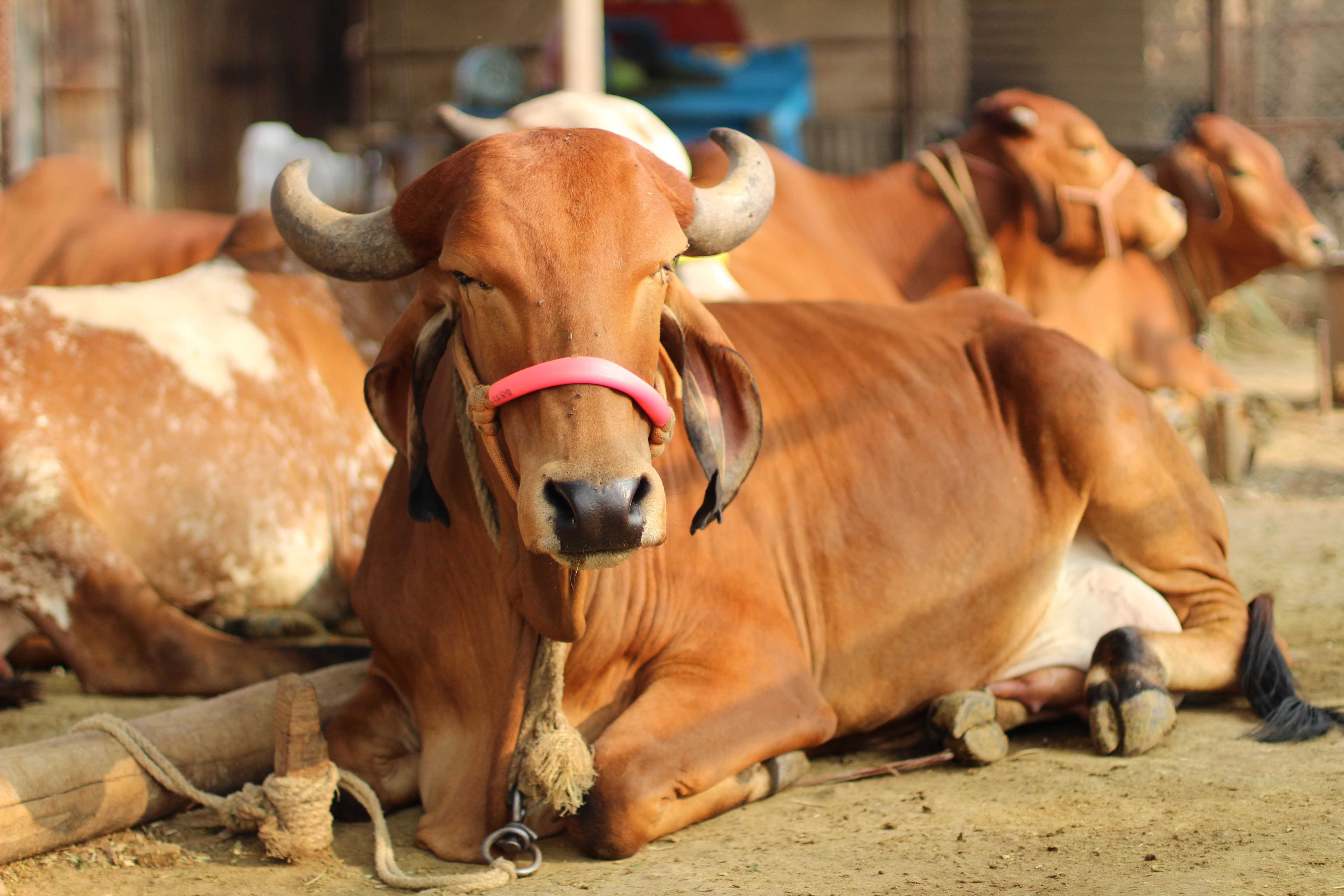
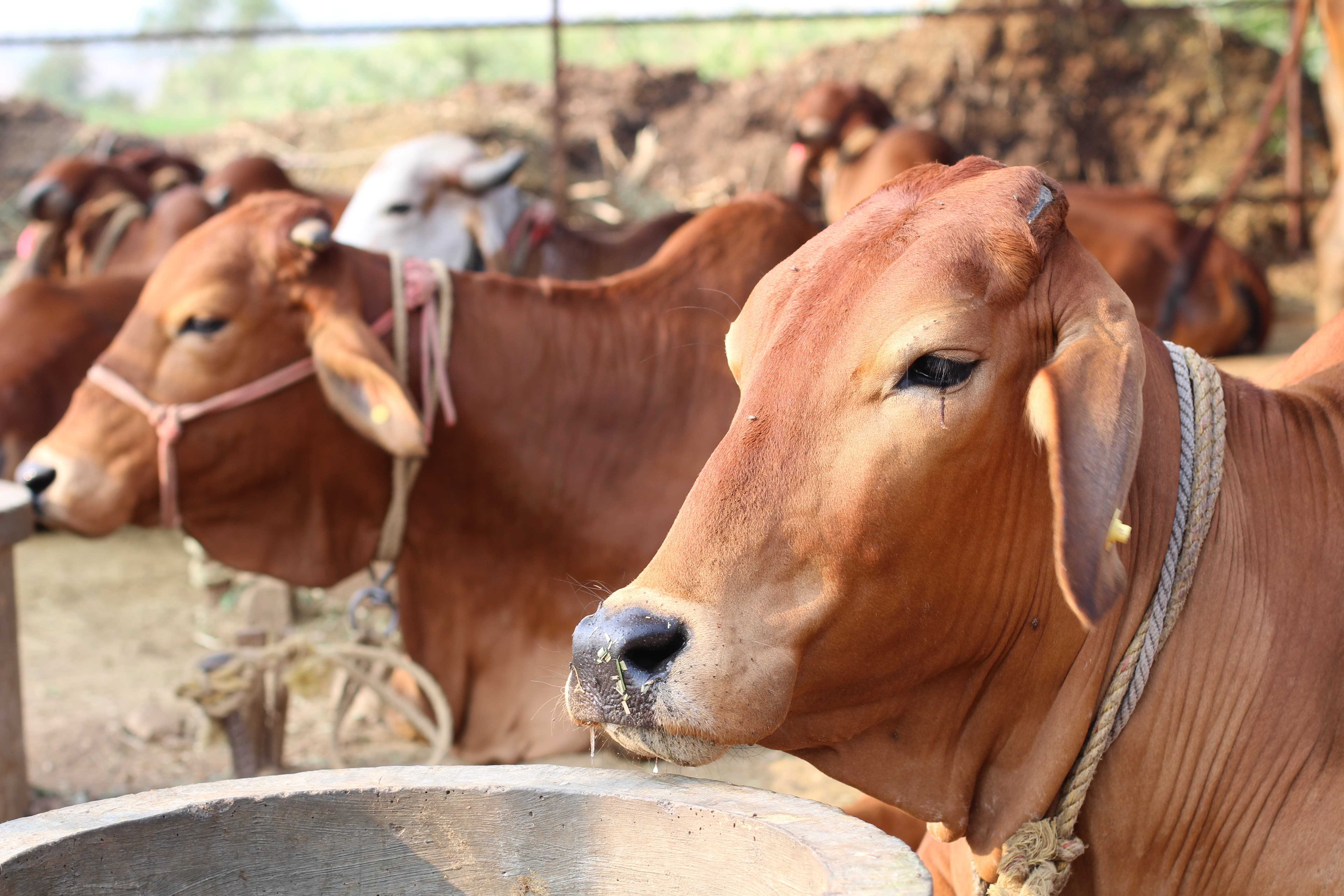
Desi cow ghee from native Indian breeds like Gir and Sahiwal is not a simple fat, it's a nutrient-dense food that works differently in your body compared to refined oils or butter.
Short-Chain Fatty Acids (SCFAs) and Digestion
The magic of desi ghee lies in its unique fatty acid composition, particularly butyric acid, a short-chain fatty acid. Unlike long-chain fatty acids that are stored, butyric acid is rapidly absorbed and primarily used by your gut cells, supporting intestinal health and reducing inflammation. This means better digestion and nutrient absorption, crucial for weight management because poor digestion leads to bloating, constipation, and sluggish metabolism.
Medium-Chain Fatty Acids (MCFAs) and Energy
Desi cow ghee also contains medium-chain fatty acids that your liver metabolizes immediately for energy, not storage. This rapid conversion increases your metabolic rate, helping your body burn calories more efficiently. MCFAs bypass the usual fat-digestion pathway, making them a quick energy source—exactly what your body needs during cold months when it's working harder to maintain warmth.
Conjugated Linoleic Acid (CLA) and Fat Loss
One of the most compelling components of A2 desi cow ghee is conjugated linoleic acid (CLA), a naturally occurring fatty acid proven to reduce body fat. Research on CLA-enriched ghee demonstrated that it promotes fat breakdown while hindering the creation of new fat cells. CLA also works to preserve lean muscle mass during weight management—a critical factor often overlooked when people focus solely on calorie reduction.
The Satiety Effect
Healthy fats trigger satiety, meaning you feel full longer after eating. When you add a spoonful of ghee to your dal, rice, or warm milk, it slows gastric emptying and keeps you satisfied, naturally reducing the urge to snack or overeat. This is especially important in winter when cravings for comfort foods peak.

The A2 Milk and Desi Ghee Combination
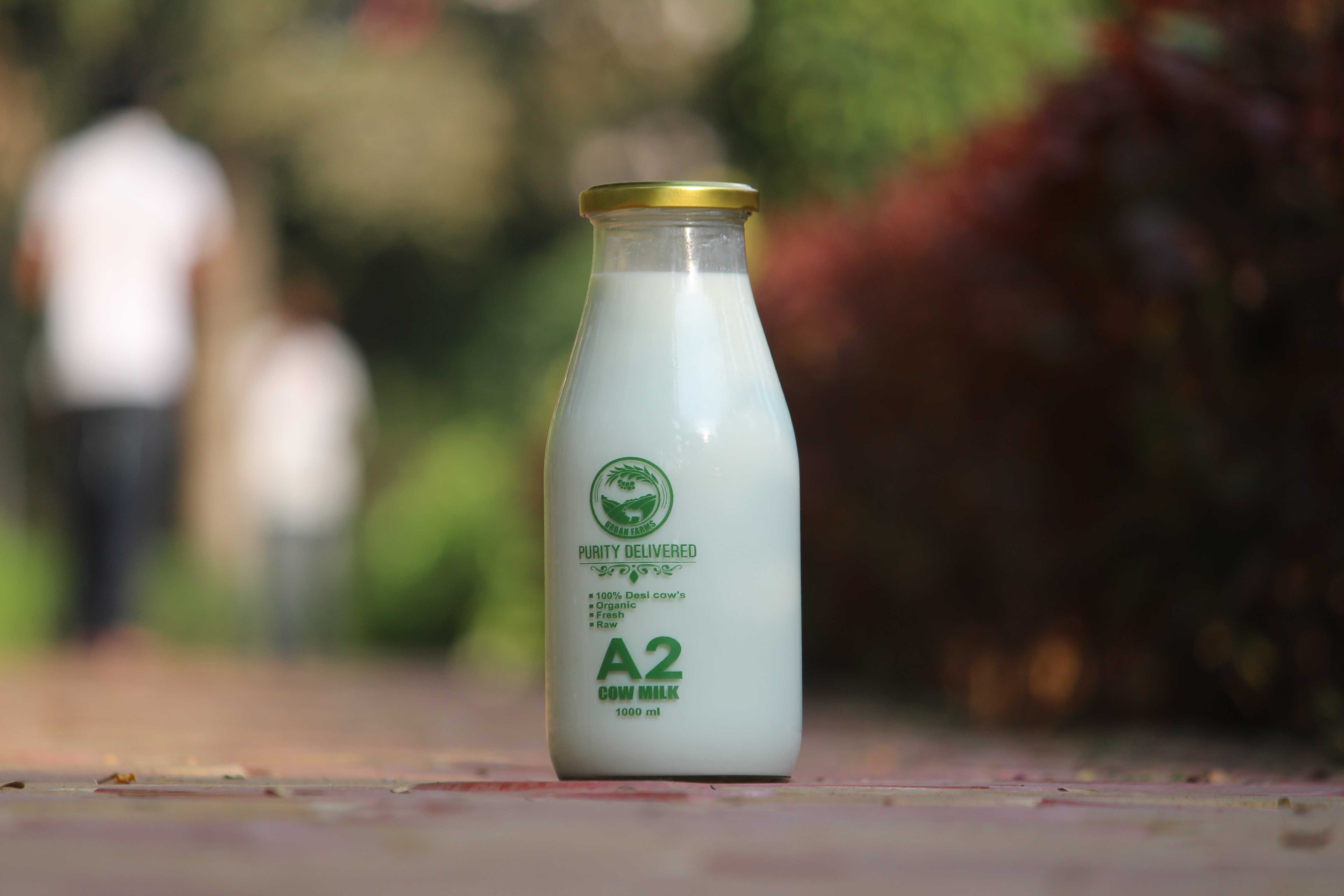
A2 milk from desi cows is digestible in ways that modern A1 milk simply isn't. Native Indian cow breeds produce milk containing only the A2 beta-casein protein, which is structurally similar to human milk and easier on the digestive system. A2 milk is rich in omega-3 fatty acids, CLA, and vitamin D, nutrients that directly support metabolism and immune function in winter.
When combined with desi ghee, A2 milk becomes a nighttime ritual with remarkable benefits:
- A warm glass of A2 milk with a teaspoon of ghee improves digestion and reduces bloating
- The combination promotes better sleep quality, crucial for metabolic regulation
- Together, they support the body's natural thermogenesis without stimulants
- The healthy fats enhance the absorption of fat-soluble vitamins A, D, E, and K

Myth vs. Reality: Debunking Ghee Misconceptions
Myth: "Ghee causes weight gain because it's high in calories."
Reality: Calories are not all equal. A calorie from ghee metabolizes differently than a calorie from processed sugar or refined oil. Ghee's short and medium-chain fatty acids are burned immediately for energy or used for vital bodily functions. When consumed in moderation (1-2 teaspoons per meal), ghee supports metabolic health and satiety, not weight gain. The problem emerges only with excessive consumption, but this applies to any food.
Myth: "Ghee increases cholesterol."
Reality: A2 desi ghee actually helps regulate cholesterol levels. CLA in ghee has been shown to lower LDL (bad cholesterol) by up to 52% while increasing HDL (good cholesterol) by 33%. Traditional, bilona-method ghee from desi cows has an entirely different lipid profile than commercially produced ghee or refined oils.
Myth: "Refined oils are healthier for weight loss than ghee"
Reality: Refined oils are stripped of nutrients and often trigger inflammation in the body, which paradoxically promotes fat storage and weight gain. Ghee, by contrast, is nutrient-dense and anti-inflammatory. When comparing ghee to soybean oil, high-CLA ghee diets showed superior outcomes in fat reduction, cholesterol management, and antioxidant enzyme activity.

Ayurvedic Wisdom for Winter Weight Management
In Ayurveda, winter is governed by Vata dosha—the cold, dry, mobile energy that naturally increases during colder months. This is why traditional Indian systems have always recommended ghee in winter. Ghee is considered ojas-building, meaning it nourishes the body's deepest tissues and restores vitality.
From an Ayurvedic perspective:
- Vata imbalance in winter manifests as constipation, bloating, anxiety, and irregular appetite
- Ghee's warming, grounding qualities directly counteract Vata's cold and light nature
- The proper way to consume ghee in winter is cooked into warm foods or mixed with warm A2 milk at bedtime
- This approach prevents weight gain while supporting digestion and sleep
- Urban Farms' locally sourced Desi Cow Ghee in Pune aligns perfectly with Ayurvedic principles, using ghee from native cows raised in local conditions means the fat carries qualities suited to the regional climate and your body's natural seasonal adaptation.
Winter Weight Management: Ghee Consumption Guidelines
| Consumption Method | Recommended Amount | Best Time | Benefits |
|---|---|---|---|
| With warm A2 milk | 1 teaspoon | Evening (before bed) | Improves digestion, sleep, and hormone balance |
| Drizzled on dal or rice | 1-2 teaspoons | Lunch or dinner | Enhances satiety and nutrient absorption |
| In cooked vegetables or khichdi | 1 teaspoon | Any meal | Adds warmth and fat-soluble vitamin absorption |
| On an empty stomach (occasional) | 1 teaspoon | Early morning | Supports detoxification (not daily) |
Desi Cow Ghee vs. Refined Oils: A Practical Comparison
| Aspect | Desi Cow Ghee | Refined Oils (Vegetable/Soybean) |
|---|---|---|
| Fatty Acid Profile | SCFAs, MCFAs, CLA | Long-chain fatty acids (stored as fat) |
| Metabolism | Burned quickly for energy | Stored as body fat |
| Digestion Support | Promotes healthy gut bacteria and butyric acid production | May increase inflammation |
| Vitamin Content | Rich in fat-soluble vitamins A, D, E, K | Stripped during processing |
| Satiety Effect | High - keeps you full longer | Lower - leads to overconsumption |
| Cholesterol Impact | Helps regulate (especially A2 ghee with CLA) | May increase inflammation and lipid peroxidation |
| Winter Suitability | Warming, grounding, Vata-balancing | Lacks warming properties |
| Local Availability in Pune | Yes, from Urban Farms | Yes, but nutritionally inferior |
Winter's metabolic advantage is real: your body burns more calories to stay warm. The challenge is channeling this advantage through proper nutrition and mindful eating. By incorporating locally sourced A2 desi cow ghee from Urban Farms in Pune with A2 milk and wholesome meals, you're not just managing weight, you're honoring your body's seasonal intelligence.
The winters of Pune are mild compared to northern regions, yet they still disrupt digestion and increase appetite. A spoonful of quality ghee with warm milk isn't nostalgia, it's applied nutritional science, rooted in centuries of Ayurvedic practice and validated by modern research.
Start with 1-2 teaspoons daily, consume it with meals or in warm milk, stay consistent, and let your body's natural winter thermogenesis do the rest.

Instantly Homogenized, Pasteurized, chilled and packaged farm fresh milk - Urban Farms Milk. Daily Fresh Home Delivery Premium Pure A2 Milk in Pune Providing a high-quality, hygienic and nutritious product




Leave A Comment