

Desi Gir cow ghee supports gut health by providing easy-to-digest healthy fats and small amounts of butyric acid, a short-chain fatty acid that nourishes the cells lining your colon. It also helps lubricate the intestines, supports the gut microbiome and, in Ayurveda, gently strengthens digestive fire (Agni) without irritating the stomach.

What Makes Desi Gir Cow Ghee Different?
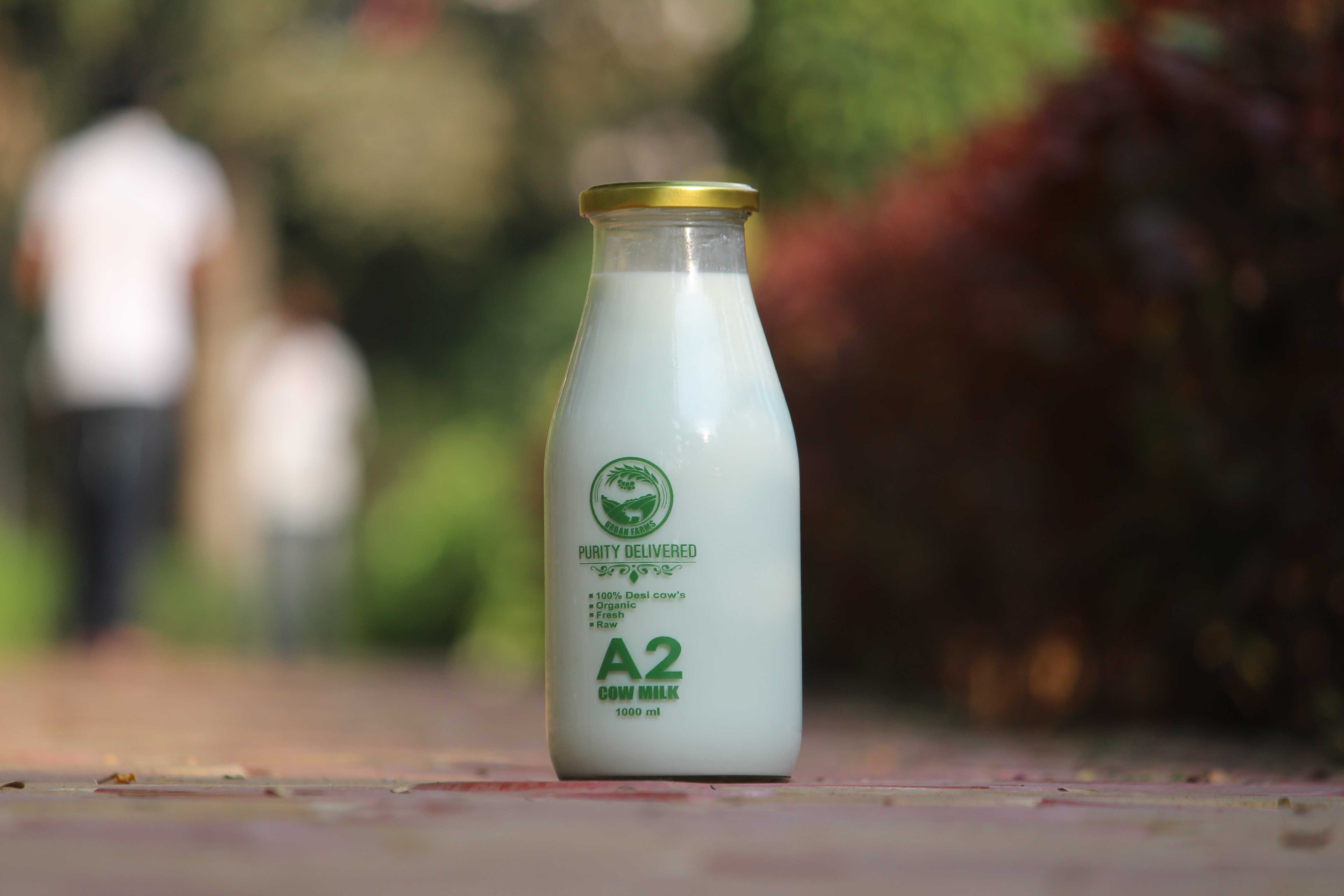
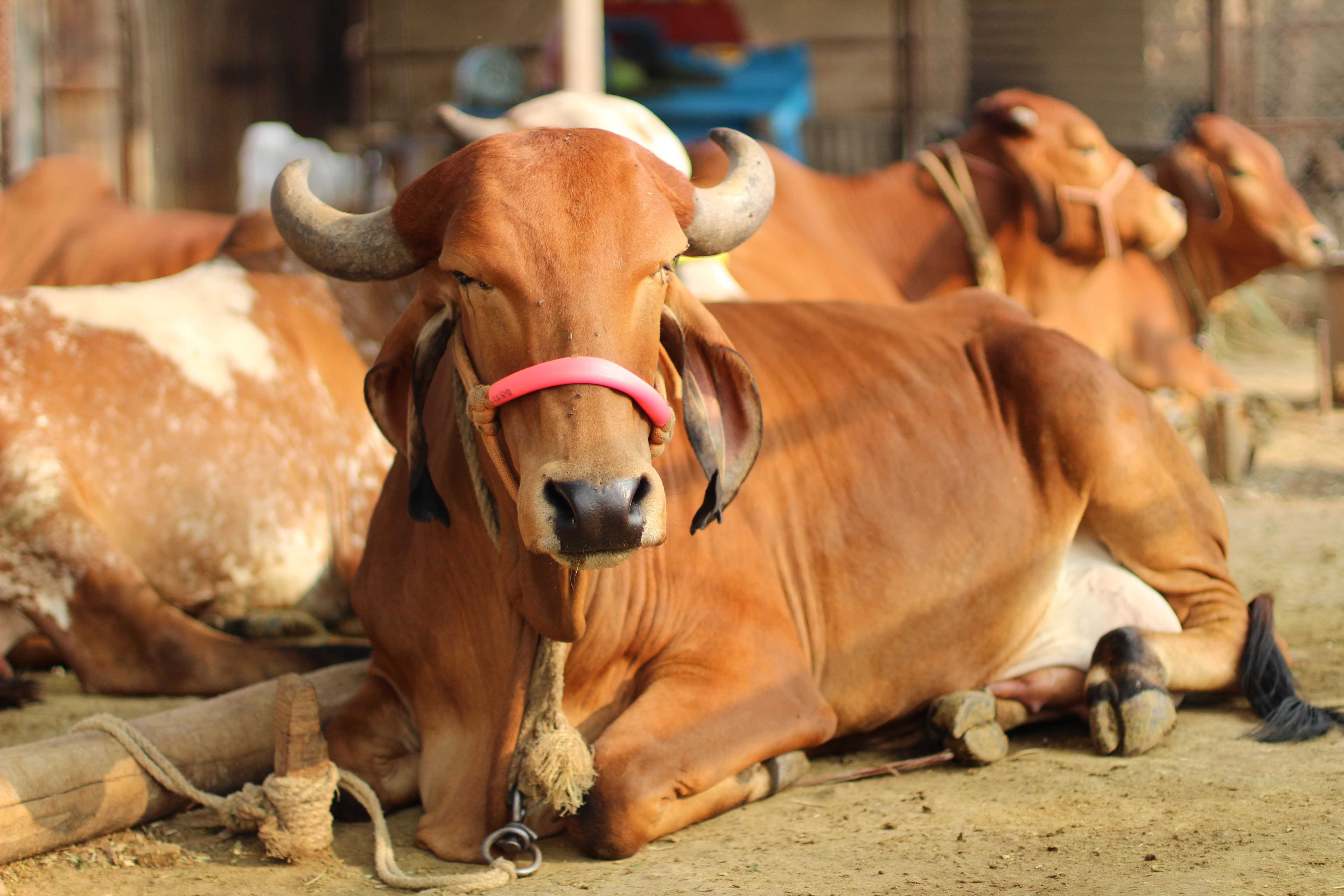
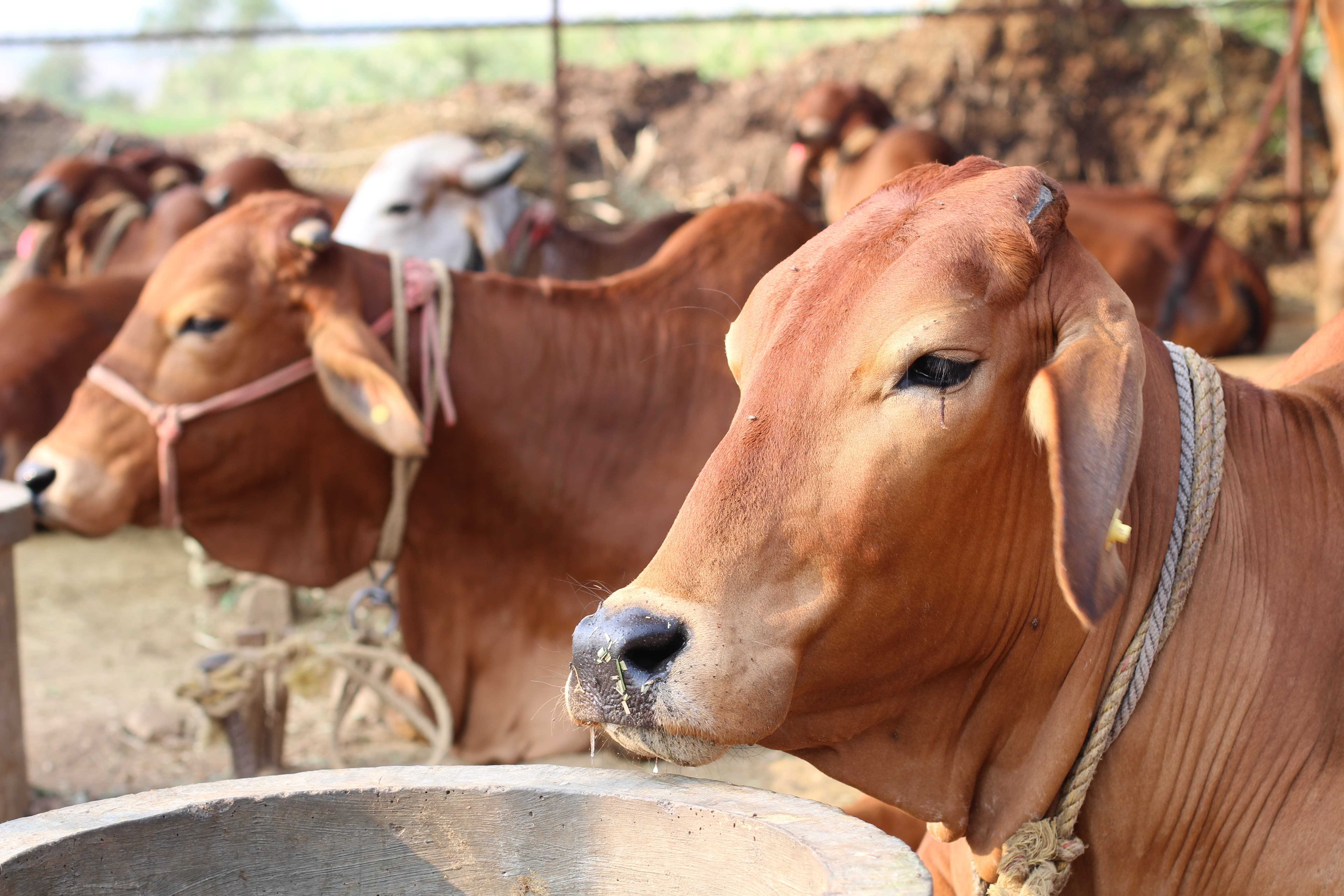
Desi Gir cow ghee is made from the milk of indigenous Gir cows, which naturally produce A2-type beta-casein protein. When this milk is converted to curd and churned using the traditional bilona method, it creates ghee that is rich in fat-soluble vitamins and short-chain fatty acids.
At Urban Farms in Pune, Desi Gir cow ghee is:
- Made using the traditional bilona method from fermented curd, not just cream
- Sourced from local Gir cow herds, with transparent farm-to-home traceability
- Prepared in small batches to protect nutrient quality
- Delivered fresh to Pune households, helping retain flavour and aroma
For many families, this combination of A2 milk, traditional processing and local sourcing builds both digestive comfort and trust.

How Does A2 Ghee Improve Digestion Naturally?
Ayurveda describes cow ghee as “Deepaniya” – a food that strengthens Agni, the digestive fire, and supports smooth digestion. Because ghee is almost free from lactose and milk solids, many people find it easier to digest than other dairy fats.
Key digestive-friendly actions:
- Gentle on the stomach: Ghee is considered one of the easiest fats to digest and can help reduce dryness and irritation in the gut lining.
- Supports digestive fire (Agni): Taken in small amounts, ghee can support Agni without causing the burning or acidity that spicy foods sometimes do.
- Better nutrient absorption: Healthy fats help your body absorb fat-soluble vitamins (A, D, E, K) and certain antioxidants from food.
- May feel lighter than heavy oils: Many people report less post-meal heaviness when switching from refined oils to small quantities of desi ghee with home-cooked food.
Role of Butyric Acid in Gut Health
Butyric acid (butyrate) is a short-chain fatty acid that plays a central role in gut health:
- It is the main energy source for colon cells (colonocytes) and helps maintain a healthy intestinal lining.
- Short-chain fatty acids (SCFAs) like butyrate can provide around 60–70% of the energy needs of colon cells and about 5–15% of human daily energy needs.
- Research shows that butyrate helps strengthen the gut barrier, supports tight junction proteins and has anti-inflammatory effects in the intestines.
- . Clinical experts note that ghee has around 1% butyrate, which is low compared with what your gut bacteria produce from fibre, but still adds to your overall butyrate intake.
How Butyric Acid Supports the Gut?
| Gut function | How butyrate helps (research-backed) |
|---|---|
| Energy for colon cells | Serves as the primary fuel for colonocytes, supporting repair |
| Intestinal barrier integrity | Promotes tight junction proteins and reduces permeability |
| Gut microbiome balance | Supports beneficial bacteria and microbial homeostasis |
| Inflammation in the gut | Shows anti-inflammatory effects in experimental studies |
Desi Gir cow ghee contributes a small amount of dietary butyrate and provides the healthy fats your gut bacteria can work alongside, especially when you also eat fibre-rich foods like millets, dals and vegetables.
How Is Desi Gir Cow Ghee Different From Regular Ghee for Digestion?
| Feature / Impact | Desi Gir Cow Ghee (A2, bilona) | Regular Ghee (mixed or cream-based) |
|---|---|---|
| Milk source | Indigenous A2 Gir cows, local farm sourcing (Urban Farms Pune) | Often mixed breeds, may include A1 and A2 |
| Method | Traditional bilona from cultured curd | Commonly cream-based, industrial processing |
| Digestive feel in Ayurveda | Revered as sattvic; supports Agni and is tridoshic | Ghee in general is beneficial, but quality varies |
| Butyric acid & SCFAs | Provides butyrate; content varies by breed and diet | Also contains butyrate; overall levels still modest |
| Gut comfort for many consumers | Often reported as lighter and more “homely” on the stomach | Can feel heavier if overused or poor-quality fat |
| Transparency & trust | Local, traceable farms, easier to verify purity | Packaged options may offer less sourcing clarity |
How to Use Gir Cow Ghee for Better Gut Health
How Much Gir Cow Ghee Is Good for Digestion?
For most healthy adults, 1–2 small teaspoons per day spread across meals is often enough to support digestion without overloading on fat.
Simple ways to add Gir cow ghee for gut comfort:
- Mix 1 tsp of warm ghee into dal, khichdi or soft cooked rice
- Brush ghee on phulkas or bhakris instead of refined oil
- Add a small amount of ghee when tempering spices for sabzis
- Take ½–1 tsp of warm ghee with lukewarm water before a main meal, if tolerated, as suggested in many Ayurvedic routines
For gut microbiome health, pair ghee with fibre-rich foods (millets, pulses, vegetables) so your gut bacteria can produce more natural SCFAs, including butyrate.

Why Pune Families Are Choosing A2 Gir Cow Ghee?
Pune families are increasingly moving back to traditional foods because of concerns about adulteration and over-processed oils. Pure A2 Gir cow ghee gives them a familiar taste, better control over ingredients and a sense of connection to local farms.
Urban Farms supports this shift by:
- Sourcing A2 milk from local Gir cow farms around Pune
- Using the traditional bilona method to make Gir cow ghee in small batches
- Offering fresh delivery in Pune, so ghee reaches homes with minimal storage time
- Maintaining clear communication about farm practices, feed and quality checks
Used in moderation, along with a fibre-rich, home-cooked Indian diet, it can support a healthy gut microbiome, better nutrient absorption and more comfortable digestion.
If you live in Pune, choosing a transparent, local farm brand like Urban Farms for your A2 milk Pune and Gir cow ghee Pune ensures you know exactly where your ghee comes from and how it is made—making every teaspoon a more confident step towards better gut health.

Instantly Homogenized, Pasteurized, chilled and packaged farm fresh milk - Urban Farms Milk. Daily Fresh Home Delivery Premium Pure A2 Milk in Pune Providing a high-quality, hygienic and nutritious product





Leave A Comment