

IAs temperatures drop and winter settles in, our bodies naturally crave nourishing, warming foods. For centuries, desi cow ghee has been the cornerstone of Indian winter nutrition: a golden elixir trusted by generations. But what makes it so special during the colder months?
Desi cow ghee, especially A2 bilona gheemade from indigenous Gir cows through traditional churning methods, is far more than cooking fat. It's a nutrient-dense superfood packed with fat-soluble vitamins A, D, E, and K, along with butyric acid and conjugated linoleic acid (CLA)—compounds that modern science now validates for their immune-boosting and anti-inflammatory properties.
According to the latest OECD-FAO Agricultural Outlook report, India's per capita ghee consumption is projected to increase from 3.27 kg per person in 2024 to 4.09 kg by 2034, signaling a growing recognition of ghee's health benefits among health-conscious Indians.
Urban Farms stands at the forefront of this wellness movement, providing premium desi cow ghee and A2 milk to families seeking traditional nutrition backed by science.
In this guide, we'll explore seven evidence-based reasons why desi cow ghee deserves a place in your winter diet—and how just a spoonful can transform your seasonal wellbeing.

Reason 1: Boosts Immunity Naturally
Winter is cold and flu season. Your immune system works overtime to protect you from seasonal viruses and infections. Desi cow ghee is one of nature's most powerful immune allies.
Why it works: A2 bilona ghee is rich in fat-soluble vitamins A, D, E, and K, which are essential for strengthening the immune response. A Japanese study cited in modern research confirms that butyric acid—a short-chain fatty acid abundant in desi ghee—actively supports the production of killer T cells, vital components of your immune defense system. These cells are your body's frontline soldiers against infections.
Additionally, ghee contains natural antioxidants that combat oxidative stress at the cellular level. During winter, when sunlight exposure decreases and vitamin D levels naturally dip, incorporating ghee into your daily meals helps fill this nutritional gap. Just one teaspoon of ghee mixed with warm milk and turmeric before bed creates a traditional anti-inflammatory tonic that fortifies the immune system while promoting deep, restorative sleep.
Reason 2: Provides Warmth and Sustained Energy
Cold weather slows metabolism, leaving many people feeling lethargic and drained of energy. Desi cow ghee works differently from other fats—it doesn't get stored; it gets burned.
The healthy fats in desi ghee are rapidly converted into energy, providing sustained fuel without the crash. Medium and long-chain fatty acids in ghee are easily digestible and quickly absorbed, making them ideal for maintaining steady energy throughout chilly winter mornings. A single spoonful mixed with your morning roti or khichdi keeps you warm and active for hours, combating the sluggishness that often accompanies lower temperatures.
From an Ayurvedic perspective, ghee has a warming (heating) property that raises your internal body temperature, a natural defense against winter's chill. Whether added to dal, curries, or warm rice, this traditional fat helps your body maintain optimal warmth without excess layers of clothing.

Reason 3: Supports Digestive Health and Nutrient Absorption
Winter often means heavier meals, reduced physical activity, and slower digestion. The result? Constipation, bloating, and poor nutrient absorption—common winter complaints. Desi cow ghee is your digestive ally.
The science: Ghee contains butyric acid, which nourishes the cells lining your intestinal walls and promotes the growth of beneficial gut bacteria. This SCFA (short-chain fatty acid) acts as a primary fuel source for colonocytes and strengthens your gut barrier against inflammation. Regular ghee consumption stimulates the production of digestive enzymes, making it easier for your body to process and absorb nutrients from the food you eat.
More importantly, ghee acts as a lipid vehicle—when you consume it with meals, it enhances your body's absorption of fat-soluble vitamins A, D, E, and K. This means the nutrients from your winter vegetables and other foods are better utilized. A teaspoon of ghee in your dal or soup improves nutrient bioavailability and eases winter-related constipation through its natural lubricating effect on the digestive tract.

Reason 4: Strengthens Bones and Joint Health
Winter brings stiff joints, aching bones, and reduced mobility for many. The combination of cold weather and reduced sunlight creates a perfect storm for bone and joint problems. Desi cow ghee addresses this with a unique nutrient profile.
Vitamin D and Calcium Synergy: During winter, your body receives less sunlight exposure, leading to naturally lower vitamin D levels. This critically impacts calcium absorption—two nutrients that must work together for strong bones. Desi ghee contains both vitamin D and vitamin K2, a fat-soluble nutrient that regulates calcium deposition in bones and teeth rather than arteries, thereby increasing bone density and reducing osteoporosis risk.
Additionally, ghee contains conjugated linoleic acid (CLA), recognized for its anti-inflammatory properties. Chronic inflammation contributes to joint pain and arthritis—conditions that worsen in cold weather. By reducing inflammation at the source, ghee helps lubricate joints and maintain flexibility. The butyric acid in ghee also promotes collagen production, strengthening cartilage, ligaments, and tendons around your joints.

Reason 5: Nourishes and Protects Winter Skin
Winter's low humidity and harsh conditions strip moisture from skin, leaving it dry, flaky, and vulnerable. Unlike topical creams, desi cow ghee nourishes skin from within.
Ghee is rich in healthy fats that deeply moisturize your skin, acting as a natural barrier against winter's drying effects. Its antioxidant properties—including vitamins A and E—protect skin cells from oxidative damage and support natural skin repair. Traditional Ayurvedic practitioners have long recommended ghee for maintaining skin radiance and elasticity during winter.
When consumed regularly, the fat-soluble vitamins in ghee support your skin's natural healing processes. You'll notice reduced dryness, improved suppleness, and a natural glow that typical skincare products cannot match. The key is consistency—just a daily spoonful contributes to visibly healthier, more resilient winter skin.
Reason 6: Supports Brain Function and Mental Wellbeing
Seasonal mood changes and reduced mental clarity are common winter complaints. Desi cow ghee supports cognitive health through its omega-3 and omega-9 fatty acids.
These essential fatty acids nourish the nervous system, supporting memory, concentration, and cognitive function. The butyric acid in ghee also supports healthy gut bacteria, which communicate with your brain through the gut-brain axis—a well-documented pathway linking digestive health to mental wellbeing. A healthy gut microbiome produces neurotransmitters that influence mood and mental clarity, particularly important during winter when seasonal affective patterns may emerge.
Incorporating ghee into your daily diet is a simple yet profound way to support mental resilience, focus, and emotional balance during the darker months.
Reason 7: Aids Weight Management Through Metabolic Support
Contrary to the outdated notion that all fats cause weight gain, desi cow ghee supports healthy weight management through metabolic optimization.
CLA and Metabolism: Desi ghee is rich in conjugated linoleic acid (CLA), a fatty acid shown to improve metabolism and reduce fat accumulation. Unlike regular mass-produced ghee, authentic bilona A2 ghee contains higher levels of CLA and other bioactive compounds. The healthy fats in ghee are rapidly converted to energy rather than stored, preventing the weight gain often associated with winter inactivity.
Additionally, ghee promotes satiety—the feeling of fullness—reducing overall calorie consumption when taken in appropriate quantities. A spoonful of ghee with meals provides sustained energy without blood sugar spikes, making it easier to maintain healthy weight during winter months when cravings for heavy, calorie-dense foods intensify.
Desi Cow Ghee vs. Regular Ghee: Know the Difference
| Aspect | Desi Cow Ghee (A2 Bilona) | Regular Ghee |
|---|---|---|
| Source | Indigenous Gir cows only | Mixed or foreign breeds |
| Protein Type | A2 beta-casein (easier to digest) | Often A1 protein (harder to digest) |
| Production Method | Traditional bilona (hand-churning) | Industrial/high-heat processing |
| Nutrient Profile | Higher omega-3, omega-9, butyric acid | Lower nutrient density |
| Vitamin Content | Rich in A, D, E, K (highest levels) | Reduced vitamins due to high heat |
| Butyric Acid | ~4–5% (supports gut health) | Minimal (industrial processing destroys it) |
| CLA Content | Higher (supports metabolism) | Lower levels |
| Digestibility | Excellent; suitable for sensitive digestion | May cause bloating or discomfort |
| Bioavailability | Maximum nutrient absorption | Reduced bioavailability |
| Flavor & Aroma | Rich, aromatic, nutty | Mild, refined taste |
How to Incorporate Desi Ghee Into Your Winter Diet?
Daily Consumption Guidelines:
- Start with ½ to 1 teaspoon daily if new to ghee
- Gradually increase to 1–2 teaspoons per day as your body adapts
- Those with digestive concerns should begin conservatively
Simple Winter Recipes Using Desi Ghee:
- Golden Turmeric Milk (Haldi Doodh): Mix 1 teaspoon of Urban Farms desi ghee with warm A2 milk, add turmeric, black pepper, and honey. A classic immune-boosting bedtime ritual.
- Ghee-Infused Khichdi: Prepare traditional khichdi with rice and moong dal, finishing with 1–2 teaspoons of ghee. Deeply nourishing and easy on digestion.
- Ghee-Roasted Root Vegetables: Toss winter vegetables (carrots, beetroot, sweet potato) in ghee and roast. The ghee enhances nutrient absorption while adding warmth.
- Ghee in Dal (Lentil Curry): Add 1 teaspoon of ghee to your dal preparation. It improves flavor and helps your body absorb fat-soluble vitamins.
- Warm Ghee with Honey and Ginger: A spoonful of ghee mixed with raw honey and fresh ginger creates a powerful winter immune tonic.
Nutritional Breakdown: What's Inside Desi Cow Ghee

Why Urban Farms' Desi Cow Ghee Stands Out?
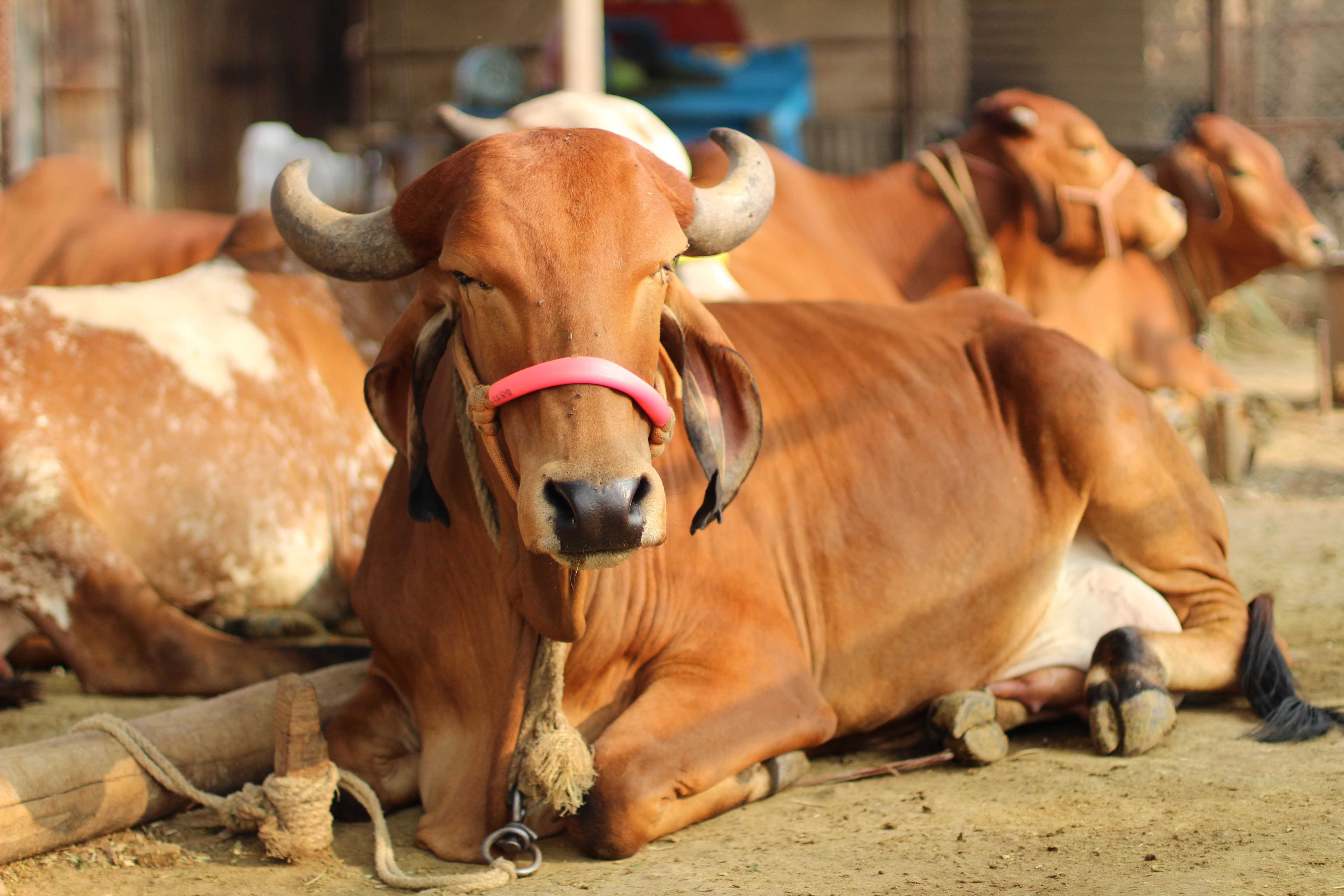
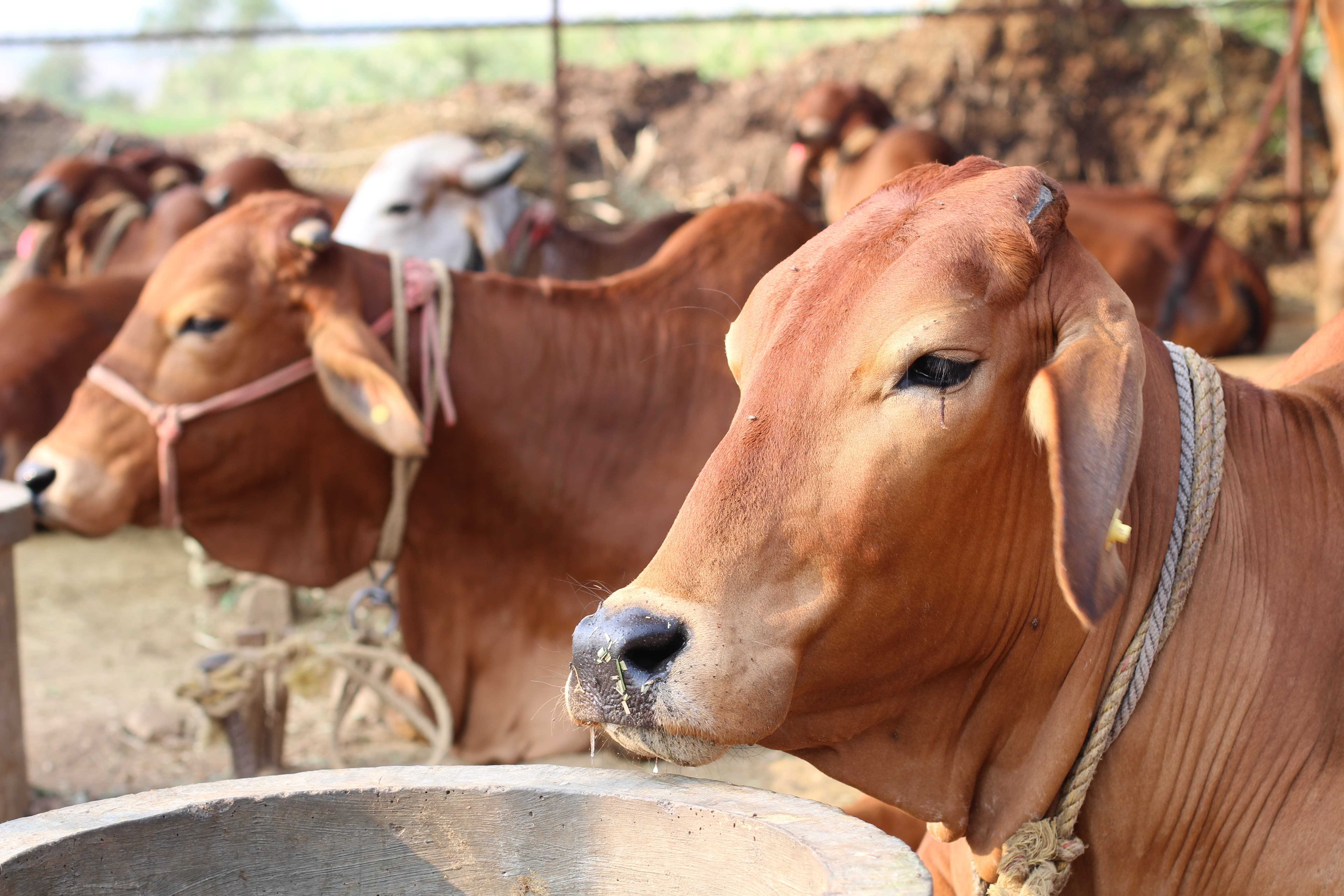
Urban Farms sources ghee exclusively from indigenous Gir cows, ensuring authentic A2 protein composition. Using the time-honored bilona method—hand-churning fresh cream into butter before gentle heating—we preserve maximum nutritional value and bioactive compounds.
- 100% pure desi cow ghee (no additives or preservatives)
- Cold-processed to retain vitamins A, D, E, and K
- Rich in butyric acid and CLA for optimal health benefits
- Complementary to Urban Farms A2 milk for complete winter nutrition
Embrace Winter Wellness with Urban Farms
Winter doesn't have to be a season of sluggishness, immunity challenges, and joint pain. For generations, desi cow ghee has been the nutritional cornerstone of Indian wellness—and modern science now validates what traditional wisdom always knew.
This winter, give your body what it truly needs. Make desi cow ghee part of your daily ritual. Feel the warmth, experience the vitality, and embrace the wellness that comes from aligned tradition and modern science.
Choose Urban Farms. Choose authentic. Choose health.
Order Urban Farms' premium desi cow ghee today and discover the difference authentic, nutrient-dense ghee can make. Combined with our A2 milk, you have a complete winter nutrition solution trusted by families across India.

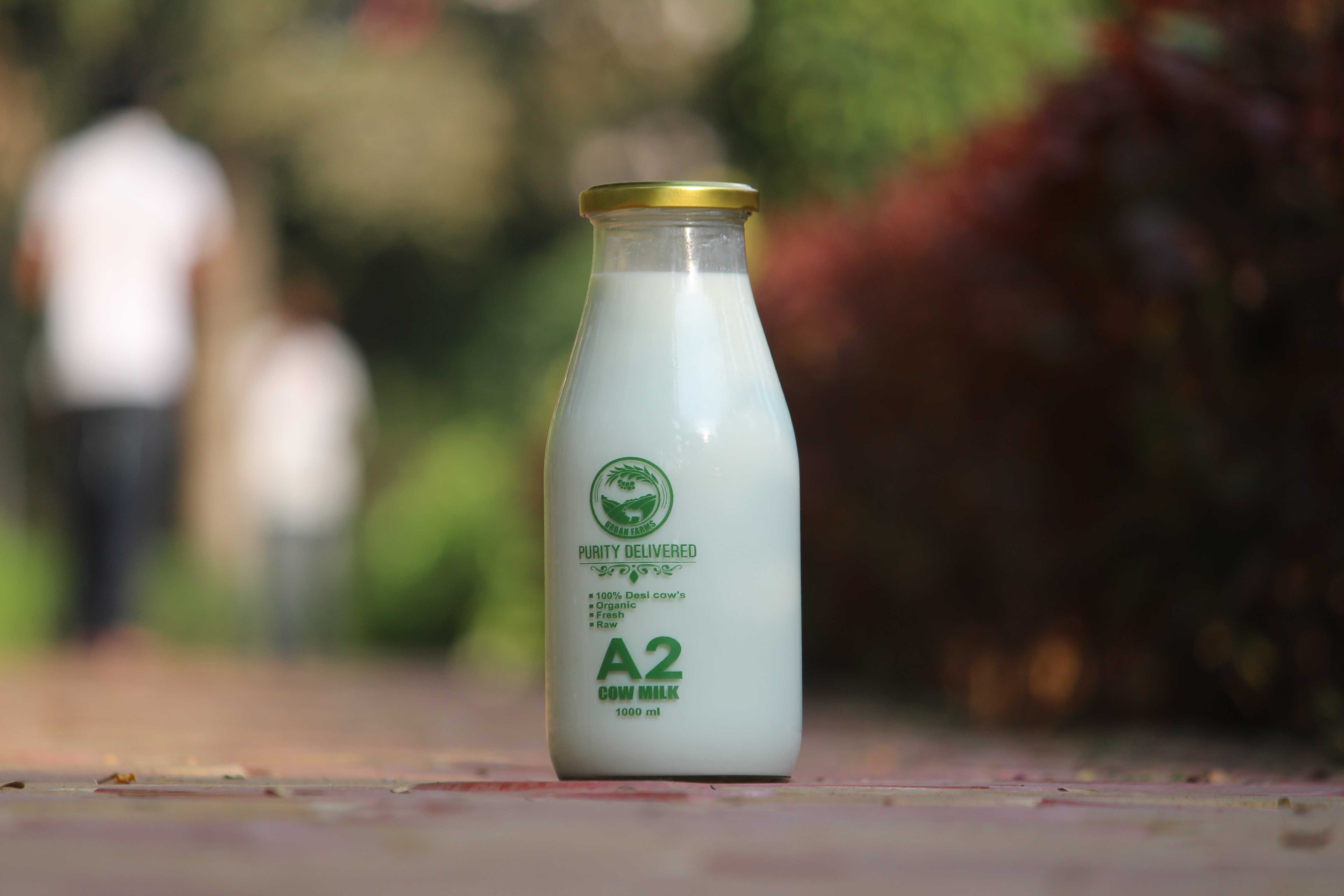
Instantly Homogenized, Pasteurized, chilled and packaged farm fresh milk - Urban Farms Milk. Daily Fresh Home Delivery Premium Pure A2 Milk in Pune Providing a high-quality, hygienic and nutritious product




Leave A Comment